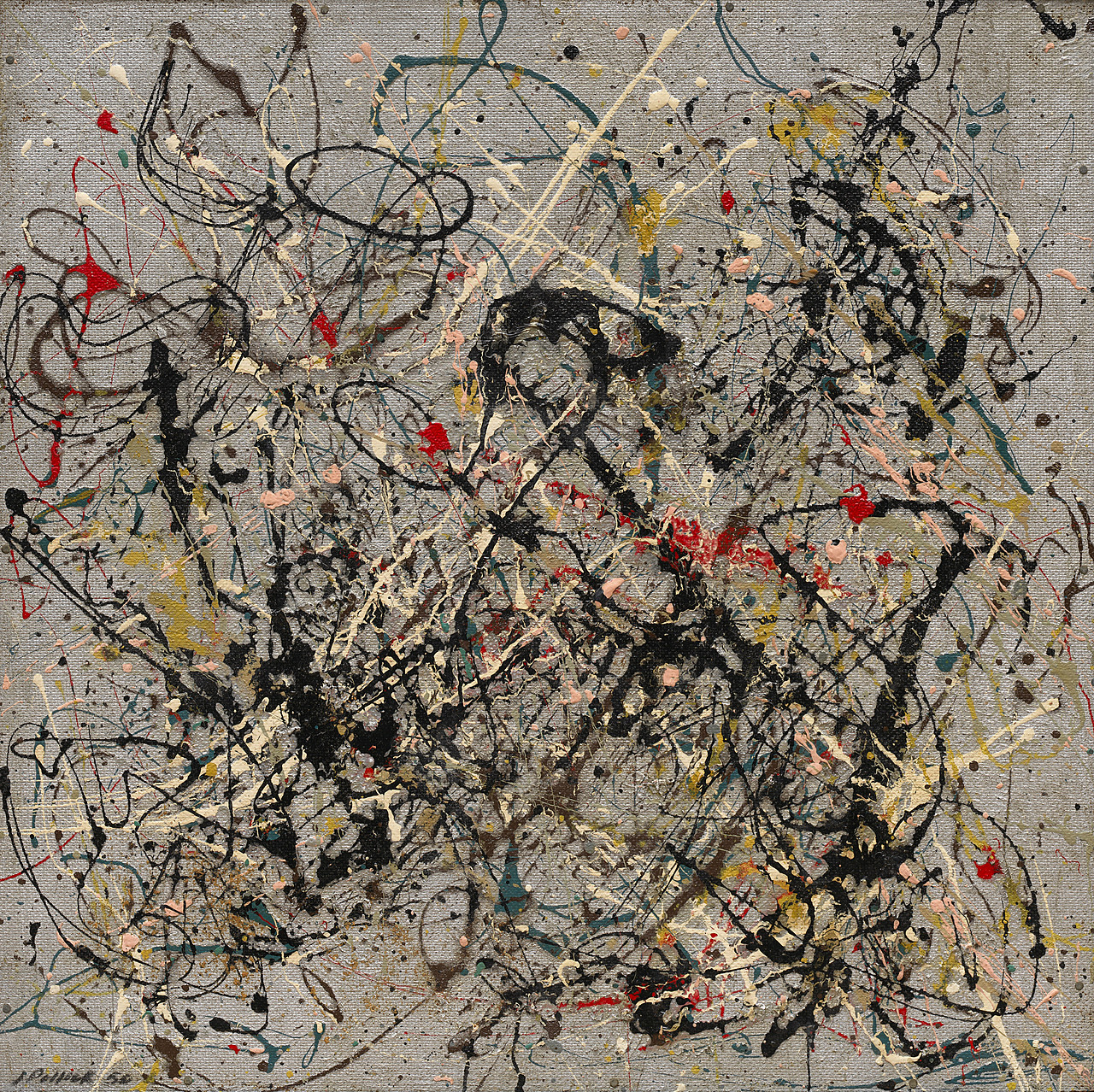
Number 18
1950
Jackson Pollock’s first fully mature works—dating between 1942 and 1947—use an idiosyncratic iconography he developed in part as a response to Surrealism. Arising from this confluence of abstraction and figuration are Pollock’s breakthrough works, commonly perceived as pure abstraction and made over the course of an explosive period between late 1947 and 1950, as in Number 18 (1950). In the postwar period, artists were anxiously aware of human irrationality and vulnerability; many, including Pollock, expressed their concerns in an abstract art that chronicled the ardor and exigencies of modern life. Pollock also broke free from the standard use of implements at this time, usually abandoning their direct contact with the surface. Working from above the picture plane, he dripped and poured enamel paints on canvases and papers, a method that more precisely controlled the application of line, and introduced radical new directions in art.
Verknoten & Verknüpfen
2026-09-02 10:19:59
Jackson Pollock
†11.8.1956 in East Hampton, New York
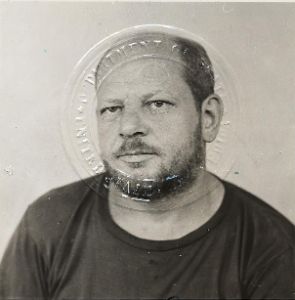
ein US-amerikanischer Maler und ein bedeutender Vertreter des abstrakten Expressionismus der New York School. Pollock wurde mit der von ihm begründeten Stilrichtung des Action Painting bekannt. Seine im Drip-Painting-Verfahren angefertigten großformatigen Werke brachten ihm bereits zu Lebzeiten den Spitznamen „Jack the Dripper“ ein. Seine Zeitgenossen schätzten ihn für sein zutiefst persönliches und kompromissloses Engagement für die Malkunst. Sein Werk hatte enormen Einfluss auf viele nachfolgende Kunstströmungen in den Vereinigten Staaten. Er ist auch einer der ersten amerikanischen Maler, der zu seinen Lebzeiten und danach mit großen europäischen Künstlern der Moderne auf eine Stufe gestellt wurde.[2] Pollock war mit der Malerin Lee Krasner verheiratet, mit der er eine Ateliergemeinschaft hatte. Sein Bruder Charles Cecil Pollock war ebenfalls Maler.
 2026 Re:Public Domain